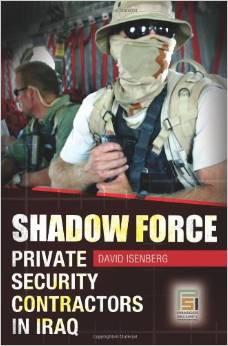
This is the latest, Ahem, partly FICTIONAL, entry in what I’m calling the AI art imitates life category. But if it reminds you of anyone, well, perhaps it should. For those who want to know this sort of detail, it was generated by Kimi. Gotta hand it to China; they nail their Bogie and noir.
A work of fiction.
The rain on Connecticut Avenue sounded like fingers tapping on a coffin lid. Joel Cairo swirled the ice in his scotch and watched it die. The bar was one of those places where the lights were dim enough to forgive your face but bright enough to count the money. He’d chosen a booth in the back, leather cracked like old skin, where the shadows pooled deep enough to drown in.
Kasper Gutman slid in across from him. He didn’t bother with a drink. He never did. He had the look of a man who’d seen the edge of the world and decided to build a franchise there.
“He’s writing again,” Cairo said. His voice was smooth, the kind of smooth that came from years of calling mercenaries “stability operators” and making it sound like charity. “The Huffington Post piece drops tomorrow. Then the book tour.”
“Isenberg.” Gutman didn’t ask. He stated it like a verdict.
“The same.”
Gutman smiled, but there was no warmth in it. Just teeth and memory. “David Isenberg. The only man alive who can make a GAO report read like a love letter to regulation. He’s been howling at our moon since ’03. You’d think he’d have lost his voice by now.”
“Voices don’t tire, Kasper. They just echo.”
Cairo pulled a folded clipping from his jacket pocket. The paper was soft from handling, the ink smeared like blood in the rain.
He smoothed it on the table between them. Isenberg’s byline stared up—sharp, unblinking, a cockroach in the wedding cake of their industry.
The Shadow Force Exposed, the headline read. Cute. Isenberg had a talent for cute. He also had a talent for being right.
“He’s not just blogging anymore,” Cairo said. “He’s testifying. Staff briefings. The new Senate subcommittee on contingency contracting. They’re listening to him, Kasper. They believe him.”
Gutman picked up the clipping and held it to the light. “You know what the problem is with watchdogs, Joel? They bark.
They bark and they bark, and after a while, people start to think there must be a wolf somewhere. Even when it’s just a fat, lazy dog standing in an empty yard.”
“He’s not a dog. He’s a mirror. And people are starting to see themselves in what he’s showing.”
Outside, a siren dopplered past, red light washing through the blinds and painting stripes across Gutman’s face. For a second, he looked like a man behind bars. Then the dark returned.
“We could marginalize him,” Cairo said, but even he didn’t sound convinced. “Fund a counter-narrative. Get the think tanks to paint him as a peacenik with a grudge. Old news. Industry-basher.”
“Marginalize.” Gutman tasted the word like bad wine. “You been in this business too long, Joel. You think everything’s a press release. Isenberg isn’t some academic writing white papers nobody reads. He’s got sources. He’s got documents. He’s got morality, and God help us, he actually believes it.”
Cairo finished his scotch. The ice clinked against the glass like a warning bell. “So what do we do?”
Gutman was quiet for a long time. In the silence, the rain seemed louder. When he finally spoke, his voice was low, almost lost beneath the hum of the neon Budweiser sign flickering behind the bar.
“You ever hunt coyotes, Joel?”
“I grew up in Bethesda.”
“Doesn’t matter. The thing about coyotes is, you don’t shoot them in the open. Too much noise. Too many eyes. You wait until they get close to the fence. Until they think they’re safe. Then you deal with them where the darkness is thickest.”
Cairo felt something cold settle in his stomach that had nothing to do with the whiskey. “This isn’t Baghdad. We can’t just—”
“I’m not talking about Baghdad.” Gutman’s eyes were flat, gray, the color of a gun barrel. “I’m talking about relevance. Isenberg has been screaming into the void for fifteen years. The industry grew. Blackwater became Academi. IPOA became ISOA. We got bigger, richer, more entrenched. He stayed exactly where he was—standing on the sidewalk, shouting that the sky is falling.”
He leaned forward. The table between them suddenly felt very small.
“The sky didn’t fall, Joel. We are the sky now. We fly the drones. We guard the embassies. We train the proxies. The government can’t function without us anymore, and everybody knows it. Isenberg isn’t a threat. He’s a relic. A museum piece.”
“Then why are we here?” Cairo asked.
Gutman folded the clipping and tucked it into his own pocket.
“Because relics have a way of becoming martyrs. And martyrs have a way of becoming legislation. We don’t need to silence David Isenberg. We need to outlast him. Bury him under the weight of our inevitability.”
He stood, adjusting his coat. The man who’d built an army in the marshes of North Carolina looked down at the association man with something almost like pity.
“But if he ever gets too close to the fence, Joel—if he ever finds the thing that actually hurts us—you let me know. I’ll take care of the darkness.”
Cairo sat alone after Gutman left. He signaled for another drink, but the bartender was wiping glasses and pretending not to see.
In the noir world, everybody pretends not to see. That’s how the shadows keep their secrets.
He thought about Isenberg somewhere across the city, probably hunched over a laptop in a small apartment that smelled of old coffee and conviction, typing out another truth that nobody wanted to read. The watchdog. The pain in the ass. The last honest man in a business built on convenient fictions.
Cairo raised his empty glass to the empty booth across from him.
“To the mirror,” he whispered.
Outside, the rain kept falling. In Washington, it was always raining. It just took some people longer to get wet.